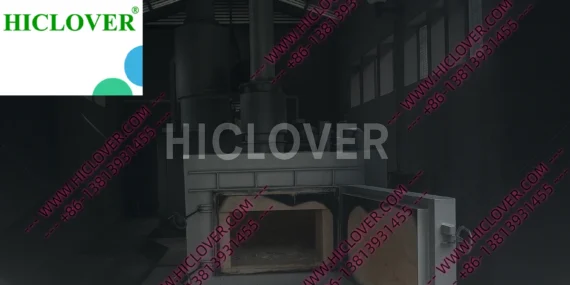
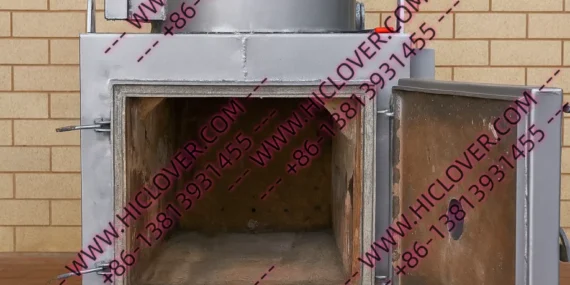
Comparative Analysis of HICLOVER Waste Incinerators: Meeting Global Standards and Diverse Application Needs
Comparative Analysis of HICLOVER Waste Incinerators: Meeting Global Standards and Diverse Application Needs Introduction to Waste Incinerators and HICLOVER Waste incinerators are specialized industrial systems designed to safely dispose of various types of waste, including medical, industrial, and municipal waste. HICLOVER is a leading waste incinerator manufacturer, offering a wide range of solutions tailored to…
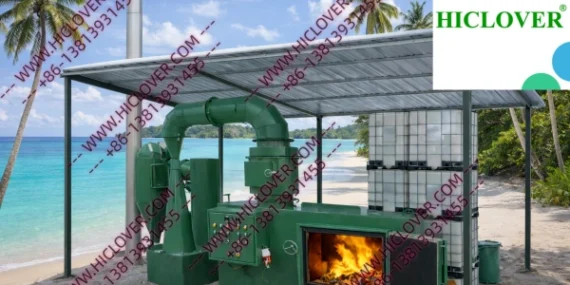
Incinerator Suppliers in Mozambique: How to Choose a Reliable Waste Incinerator Factory for Long-Term Projects
Incinerator Suppliers in Mozambique: How to Choose a Reliable Waste Incinerator Factory for Long-Term Projects Mozambique is experiencing steady growth in healthcare services, infrastructure development, urban expansion, and remote industrial operations. Along with these opportunities comes a practical challenge: managing waste safely and consistently, especially medical waste, mixed solid waste, and organic residues generated in…
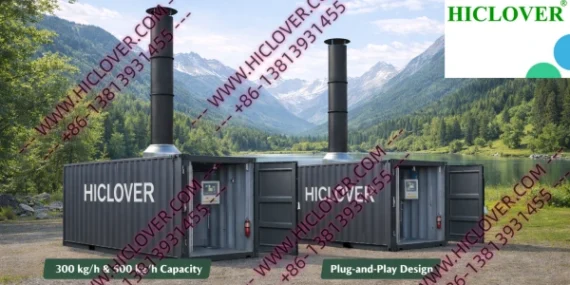
Incinerador de Residuos Contenerizado PlugPlay HICLOVER
Incinerador de Residuos Contenerizado Plug-and-Play HICLOVER El HICLOVER Plug-and-Play Containerized Waste Incinerator (300 kg/h & 500 kg/h) es una solución de despliegue rápido diseñada para proyectos internacionales de eliminación de residuos donde el tiempo de instalación, la mano de obra disponible en sitio y la fiabilidad operativa son factores críticos. Como sistema de incineración contenerizado…
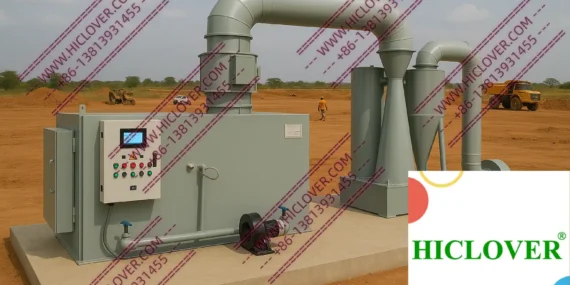
Incinerator Suppliers in Burkina Faso: Selecting a Reliable Waste Incinerator for Safer Disposal and Long-Term Operation
Incinerator Suppliers in Burkina Faso: Selecting a Reliable Waste Incinerator for Safer Disposal and Long-Term Operation Burkina Faso continues to strengthen public health services, municipal sanitation capacity, and essential infrastructure across cities and remote regions. As waste volumes increase—especially medical waste from hospitals and clinics, plus mixed municipal solid waste—many organizations require a controlled, on-site…
Mali Waste & Medical Waste Incinerator Market Report
Mali Waste & Medical Waste Incinerator Market Report Field Analysis from Bamako, Sikasso, Mopti, Ségou, Gao, Tombouctou 1. Mali context: why incineration is structurally important Mali faces a combination of security pressure, geographic scale, weak centralized infrastructure, and high dependence on humanitarian and institutional systems. In this environment, waste management—especially medical waste and sensitive solid…
Cabo Verde Waste Incinerator Market Report: Island Logistics, Tourism Pressure, and Healthcare Waste Compliance
Cabo Verde Waste Incinerator Market Report: Island Logistics, Tourism Pressure, and Healthcare Waste Compliance (Praia – Mindelo – Santa Maria – Assomada – São Filipe – Porto Novo) 1) Market snapshot: why Cabo Verde is a “small-island, high-visibility” incineration market Cabo Verde (Cape Verde) behaves differently from large mainland waste markets. Demand is shaped by…
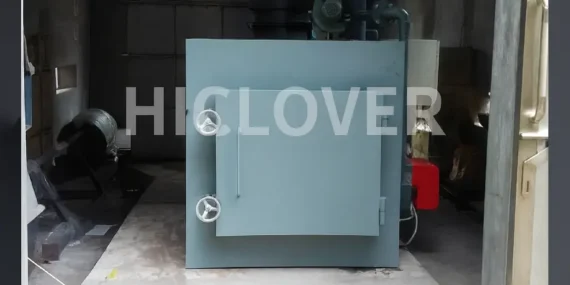
Remote and Underserved Regions: On-Site Waste Incineration Solutions
Remote and Underserved Regions: On-Site Waste Incineration Solutions One of the primary deployment areas for small incinerators is in remote and underserved regions. In many low-income countries, rural hospitals and clinics are located far from any centralized waste treatment plant. Even in moderately populated areas, transporting infectious waste to distant facilities can be logistically difficult…
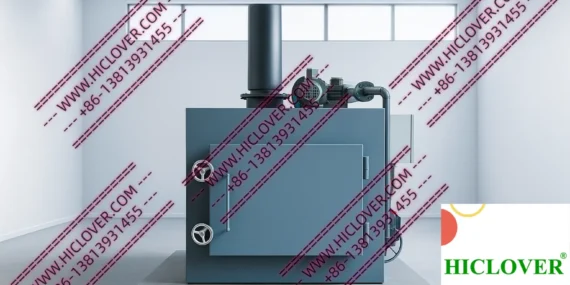
Medical and Solid Waste Incinerators in Cameroon: Market Drivers and Suitable Solutions
Medical and Solid Waste Incinerators in Cameroon: Market Drivers and Suitable Solutions Cameroon’s growing healthcare system and expanding urban population are generating increasing volumes of medical and municipal waste. Major cities like Yaoundé, Douala, Garoua, Bafoussam, and Limbe require reliable, safe solutions to manage hazardous materials and general solid waste. Hospitals, laboratories, and clinics are…
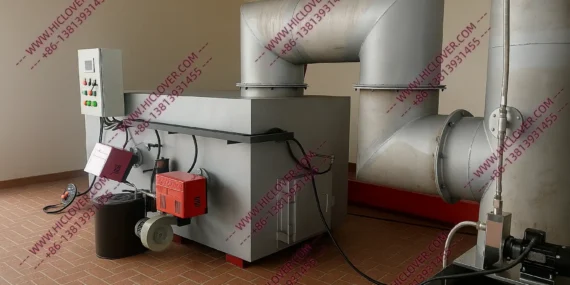
Non-Medical Solid Waste Incineration Needs in Tanzania
Tanzania is experiencing rapid urbanization, growth in tourism, and expansion of light industry. These trends are driving up volumes of non-medical solid waste: municipal household waste, hotel and resort waste, commercial and industrial refuse, and mixed solid waste from markets and institutions. Current management still relies heavily on open dumping and a limited number of…